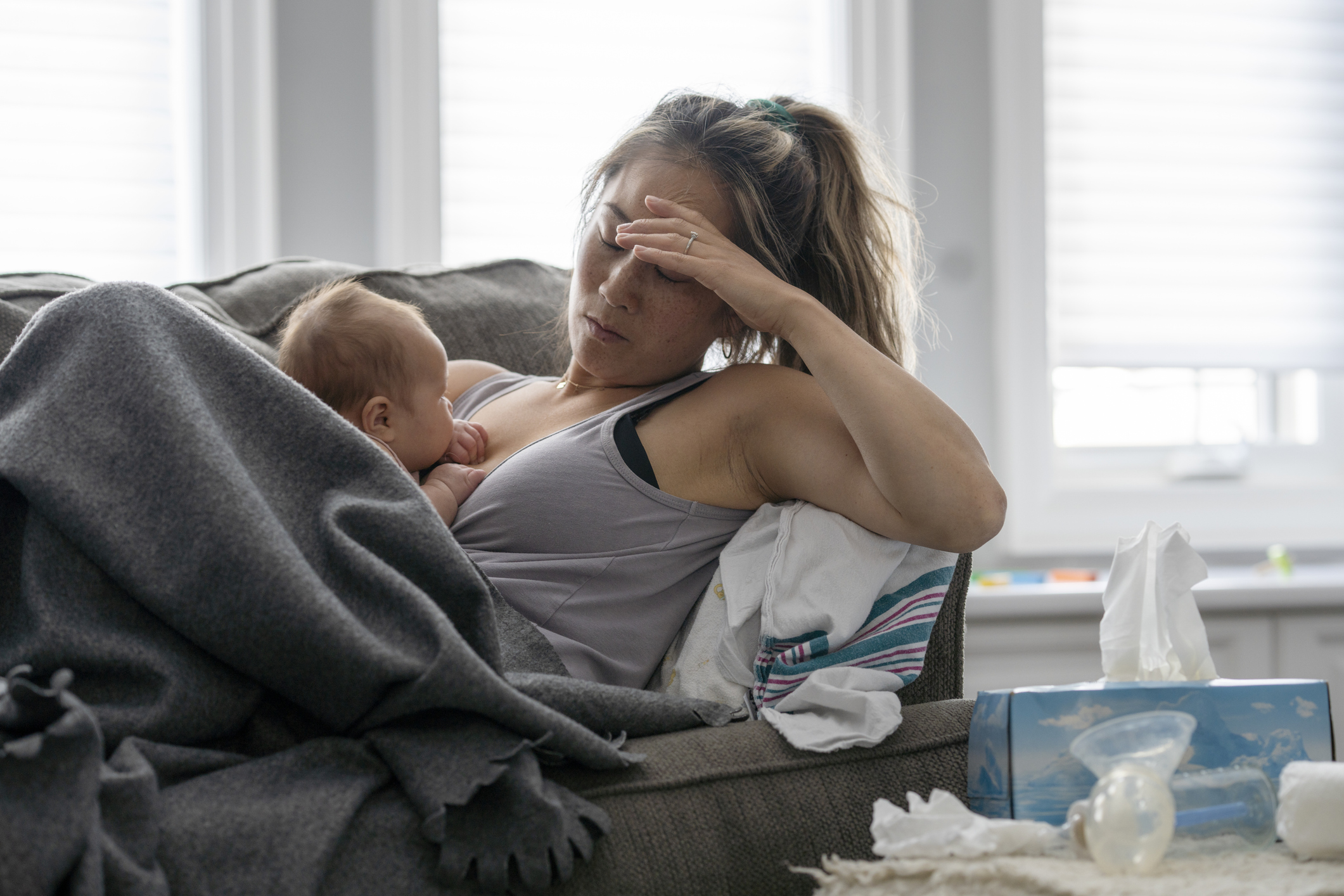
Becoming a mother is a profound and transformative experience. While it brings immense joy, it can also usher in unexpected challenges, such as postpartum anxiety. It's tough, but it's also common — and there are ways to recognize and cope with the signs.
Recognizing the Signs of Postpartum Anxiety
According to the Maternal Mental Health Alliance, suicide continues to be the leading cause of direct maternal death between 6 weeks and 12 months after birth. This underscores the critical importance of addressing maternal mental health issues like postpartum anxiety.
If you're feeling constantly worried or on edge, you might be dealing with postpartum anxiety. You might obsess over everything, from your baby's health and safety to whether you're doing an excellent job as a mom. You may find yourself standing over your newborn in the dark, staring to make sure they are breathing instead of getting your much-needed rest. Or forgetting to eat because all your attention and every ounce of your being is focused on keeping this tiny miracle alive.
Anxiety can also impact the body. Physical symptoms such as a racing heart, shortness of breath, or stomachaches are also common.
Coping with Postpartum Anxiety
One practical approach is to practice self-care. Ensure you're taking care of yourself physically by eating well, getting enough rest, and staying hydrated. Carve out time to engage in your self-care activities. Simple acts like taking breaks when needed, walking, or practicing deep breathing can help you relax and reduce anxiety.
Another way to cope with postpartum anxiety is to challenge your negative thoughts. When you are spiraling into worry, try to step back and remind yourself that your thoughts are not facts. Mindfulness or grounding techniques can help bring you back to the present moment.
Try this simple grounding exercise: Focus on breathing and slowly count to five on each inhale and exhale. Pay attention to the sensation of the breath entering and leaving your body. This practice can help calm your mind and body, providing respite from anxious thoughts.
It's also important to reach out for support. No person is an island, and we need community during times of vulnerability. Talk to your partner, family, or friends about your feelings. Don't hesitate to seek help from a therapist or counselor if you need it.
Encouragement and Support
Remember that postpartum anxiety is a treatable condition. With the proper support and treatment, you can learn to manage your anxiety and start to feel better. Be patient with yourself, and don't be afraid to ask for help when you need it.
You are not alone. There are many real-life stories of mothers overcoming postpartum anxiety — and they all highlight the importance of seeking help. Every story starts with reaching out.
At Mamaya Health, we provide tailored support for mothers experiencing postpartum anxiety. Our team is dedicated to helping you navigate this challenging time with the understanding and care you deserve. Connect with a Mamaya therapist → Explore our postpartum care →