This Women's History Month, I want to speak honestly and openly about my experience with postpartum mental health. Women's open, honest stories help carry me through motherhood and life — so I hope that in sharing mine, I can help carry others through, too.
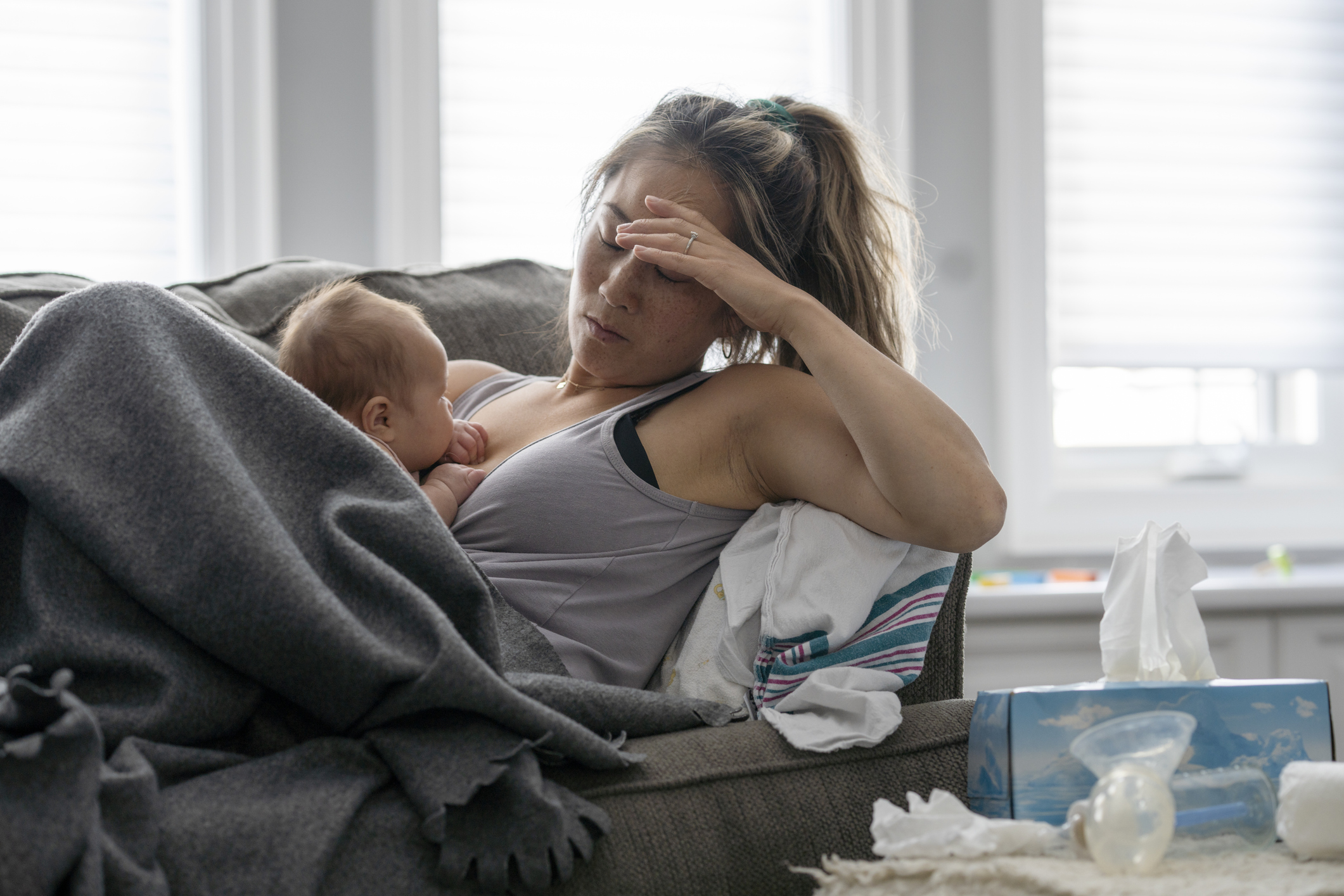
When I was first handed my baby after a healthy labor, I was waiting for my "golden hour" that never came. I knew my baby was mine, and I knew what I thought I was "supposed" to feel. But the reality was that I felt nothing at all. I experienced an emptiness so vast that it clouded everything. I chalked it up to shock, painted a smile on my face, and pretended everything was fine.
With time, my emptiness grew — followed by deep grief, sleep deprivation with insomnia, isolation, intrusive thoughts, brain fog, guilt, and an unrecognizable reflection staring back at me in the mirror. I reached out to my healthcare providers to ask for help, and I was met with dismissiveness. Their responses left me feeling broken and like I couldn't trust myself.
One hard day, I finally reached out to a friend who is also a mother. She showed up at my house with a meal, sat on the couch with me, and said the simple words: "You are struggling with postpartum depression, which is a lot more common than you may think. I see you. Your baby loves you, and you are doing a great job. Let me help you. Let me tell you my story."
I immediately felt understanding and relief. From that day forward, I started to vocalize what I felt. I was surprised to find that almost every woman I spoke to about postpartum depression had some form of struggle within motherhood. The more I spoke up, the more answers, understanding, solutions, and stories I heard. I started therapy. I started to practice self-care again. I discovered resources that actually helped.
Once I voiced my concerns, found solidarity and connection, and became connected to the resources I needed — each day I became more of me and less of postpartum depression.
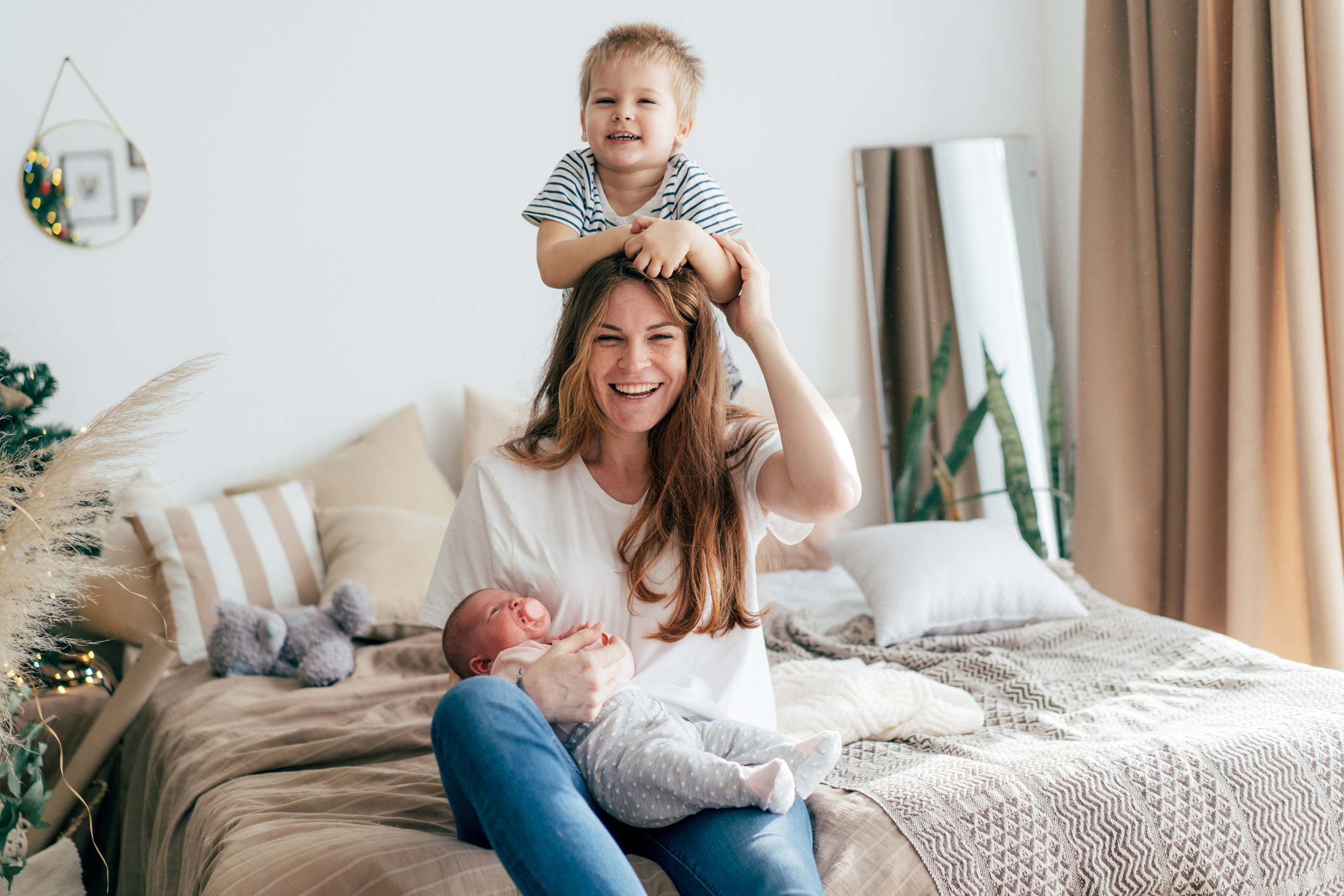
A woman's voice can (and often does) save another woman's life. I am happy to report that I now love motherhood, love my baby, and love my life. I feel connected to myself again. And I know that when I struggle, I have a community of women who will hold my hand, share their stories, and point me in the direction of support. For this, I am forever grateful.
Written by The Mamaya team
Resources That Helped Me
- Postpartum Support International: 1-800-944-4773 / postpartum.net
- National Maternal Mental Health Hotline: 1-833-TLC-MAMA
- 988 Lifeline: Call or text 988
You don't have to find your person the hard way. Connect with a Mamaya therapist today → Explore our postpartum support →