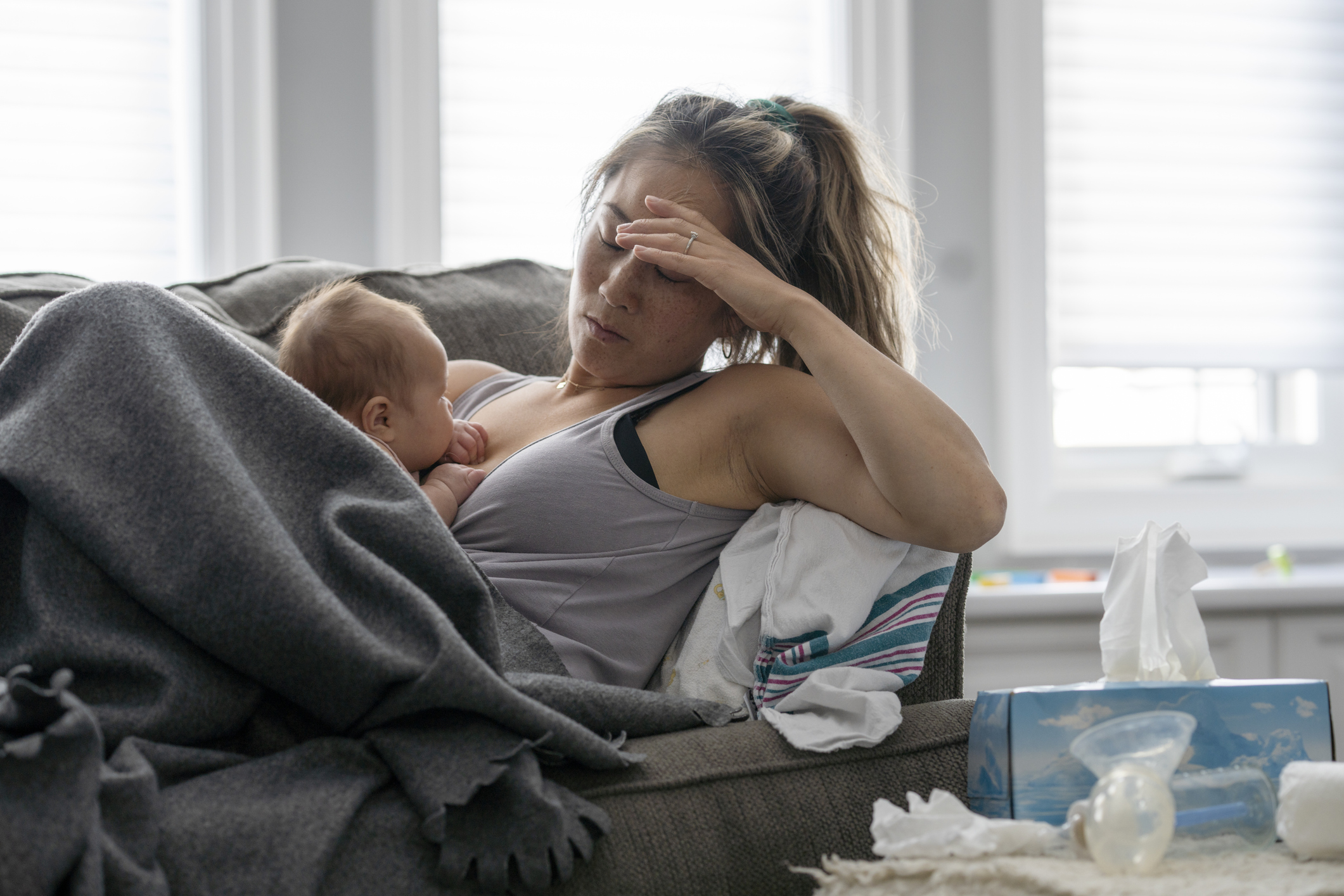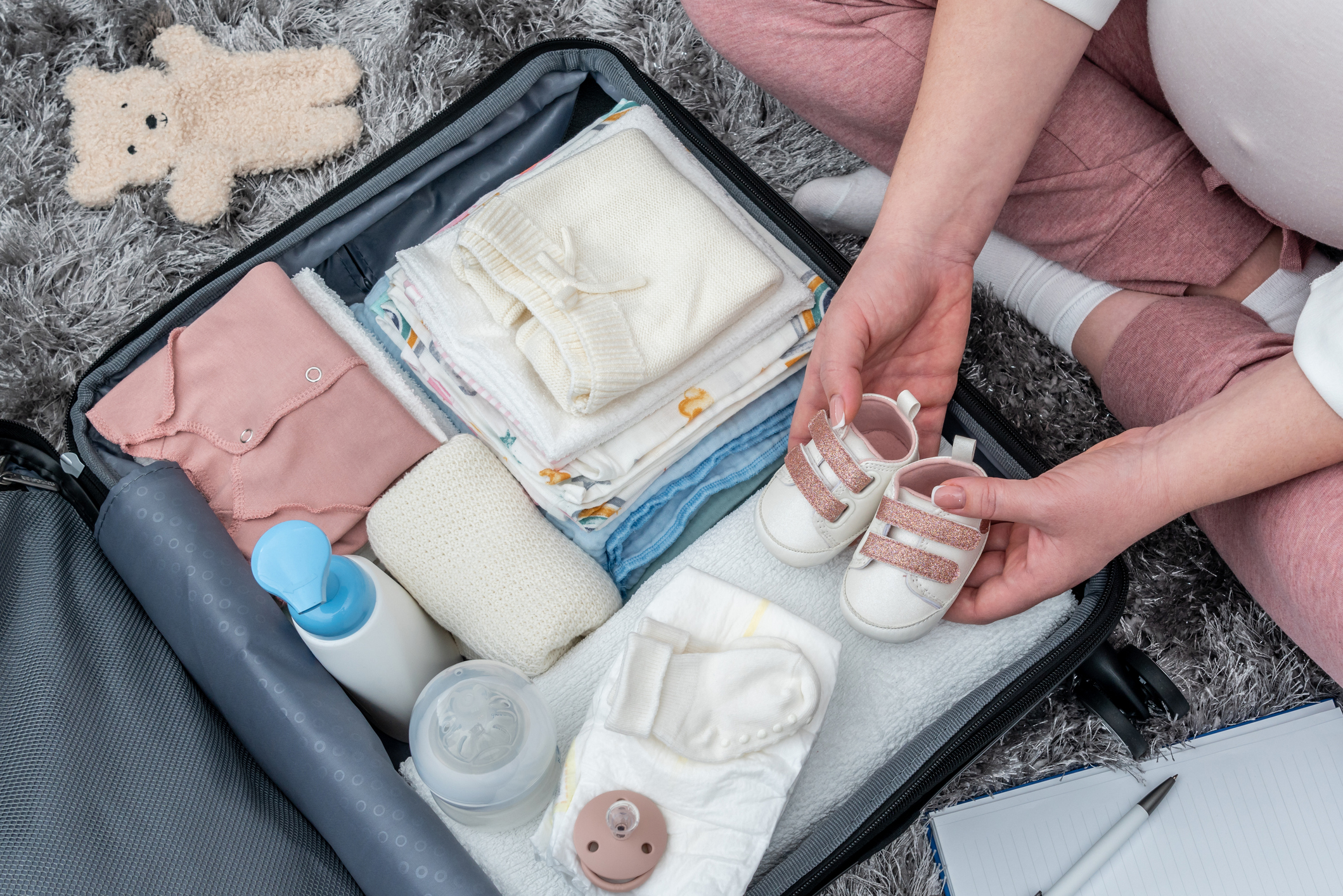
1 in 5 new mothers will struggle with a perinatal mood disorder. The vast majority will not receive specialized care. This is not a small problem. It is a crisis — one that affects mothers, families, and children every single day.
Perinatal mood disorders (PMDs) include depression and anxiety during or after pregnancy, postpartum OCD, postpartum rage, birth trauma, and postpartum psychosis. Despite their prevalence, many women find specialized care inaccessible — due to cost, geographic barriers, or a healthcare system that doesn't take their symptoms seriously enough.
What the Numbers Actually Say
- Suicide is among the leading causes of maternal mortality in the first year after childbirth
- 20% of women will face a perinatal mood disorder during or after pregnancy
- 75% of those will never receive adequate treatment
- Postpartum conditions affect mothers across every race, income level, and birth experience
- Fathers and non-birthing parents experience postpartum depression too — at rates of approximately 10%
What Maternal Mental Health Actually Looks Like
Entering motherhood is often depicted as a time of pure joy. For many women, the reality is more complex. The signs of a perinatal mood disorder don't always appear immediately after birth. They can emerge during pregnancy, following a pregnancy loss, or in the first year of parenthood as hormones shift and life reorganizes itself entirely.
The signs can be subtle: a nagging sense of unease, difficulty sleeping, intrusive thoughts, numbness, or disconnection. Or they can be overwhelming: spiraling anxiety, crying without understanding why, hopelessness, or rage. In the darkest moments, thoughts of escape.
What We Know About Recovery
Maternal mental health conditions are treatable. With appropriate support — therapy, medication when needed, community — most mothers recover fully. The barrier is not treatment efficacy. It's access.
That's why Mamaya Health exists: to make specialized maternal mental health care reachable for the women who need it most.
You are not alone. Your struggles are valid. Help is available. Connect with a Mamaya therapist → Explore our maternal care →