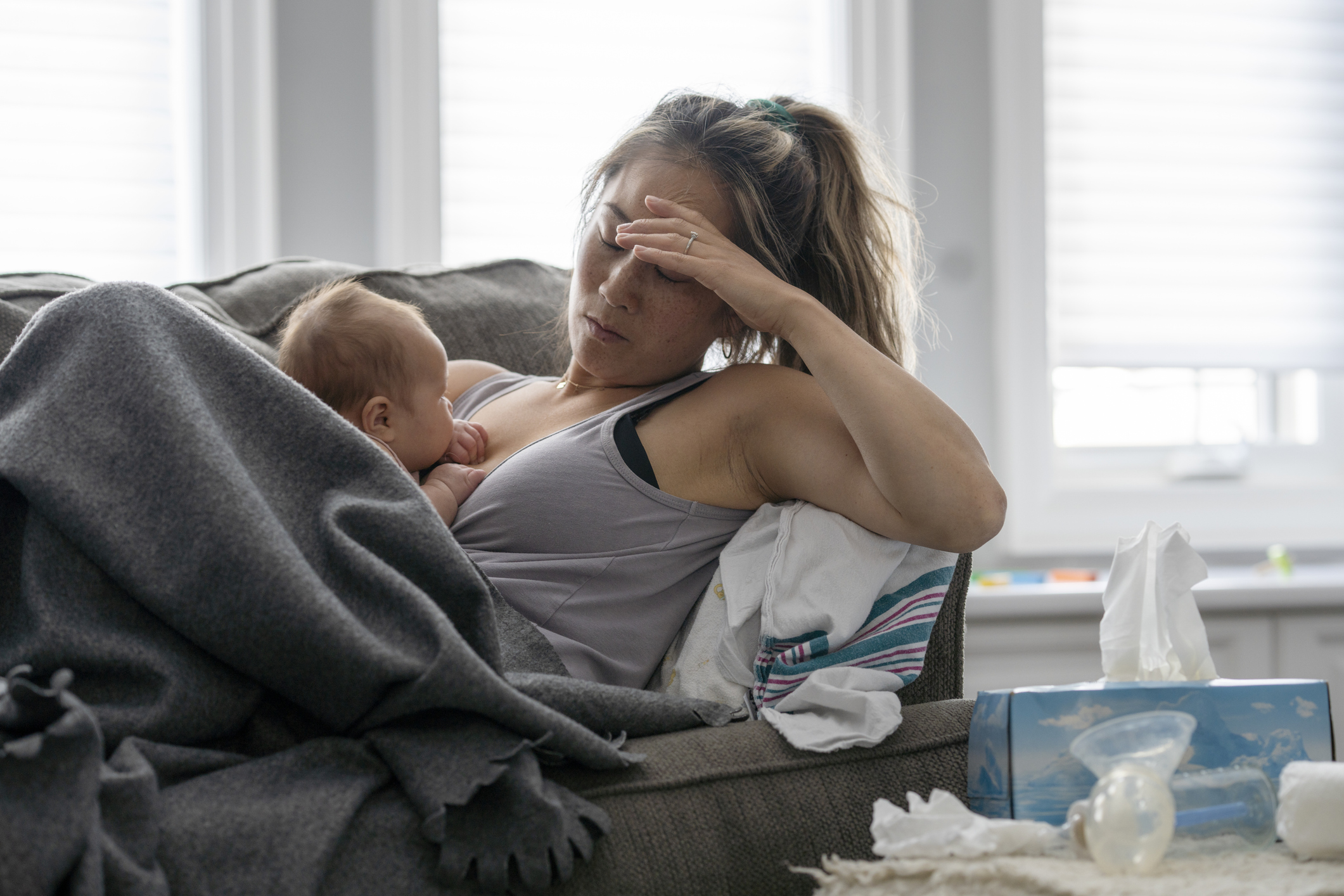
There is a specific loneliness that lives inside tragedy. It's not the loneliness of being alone in a room — it's the loneliness of carrying something that cannot be adequately communicated. Of knowing that even the people who love you most can't fully enter the space you're in.
Grief after loss — whether the death of someone close, the end of a relationship, the loss of a pregnancy, a diagnosis, or the collapse of a life you'd planned — is one of the most isolating human experiences. Not because others don't care. Often they care enormously. But grief resists language. It doesn't follow a schedule. It doesn't get better in a straight line. And the world around us tends to move on before we're ready.
Why Grief Is Lonely Even When We're Surrounded
The loneliness in tragedy is compounded by expectation. We expect grief to look a certain way. To peak around the funeral and then recede. To be visible in the early weeks and then quietly finish. When it doesn't — when it resurfaces months later at unexpected moments, when it changes shape but doesn't leave, when it arrives alongside joy and complicates everything — we're often left without a script.
And so we go quiet. We stop talking about the person we lost because we think people are tired of hearing about them. We say "I'm fine" because we can't explain what we actually are. We perform a recovery we haven't completed because the people around us seem relieved when they think we're better.
What Helps
There's no shortcut through grief. But there are things that make carrying it more possible:
- Naming the loneliness — not just the loss, but the specific isolation of it. Saying out loud: this is the part that's hard to explain.
- Finding people who can hold it with you — whether that's a therapist, a grief group, a close friend who knew the person you lost, or an online community of people who've lost the same way.
- Letting grief be non-linear — releasing the expectation that you should be somewhere different than you are.
- Protecting space to feel it — grief doesn't like to be rushed, and it tends to find ways to surface whether or not we give it permission.
If you're carrying loss and the loneliness that comes with it, Mamaya Health is here. Our therapists specialize in grief, trauma, and the full complexity of what humans carry. Connect with a Mamaya therapist → Find peer support →